Direkt zum Inhalt

Devbits

Kleine Code-Schnipsel aus unserem Alltag mit Drupal, PHP und DevOps: Problem, Lösung, Code.

06.08.2026 | Lothar Ferreira Neumann

Change custom text field sizes in Gin Backend Theme using Asset Injector

A custom text input field might appear too large in Gin. Our example uses an ID field which will usually never be filled with more than ~7 characters.

To alter the node ID field (nid) of our content view we add this to the file:

/* Views exposed filter: appropriate field widths */
.views-exposed-form #edit-nid {
  max-width: 10ch;
}

Issue:

A custom text input field might appear too large in Gin. Our example uses an ID field which will usually never be filled with more than ~7 characters.

Prerequisites:

Our solution uses the Asset Injector module. This module can be useful for small additions to backend theming. However, there may be cleaner solutions to this, e.g. extending Gin for your project with some custom CSS, defining a custom field type, and more. 

Solution:

Adjust the width of specific Views exposed filter fields using CSS through Asset Injection. This keeps short numeric fields like Node ID compact and improves the layout of the exposed filter form. We are using the Gin backend theme in this example. You can access the asset injector for Gin here:
/admin/config/development/asset-injector/css/gin

Please note:

Don't use Asset Injector for altering a frontend theme.

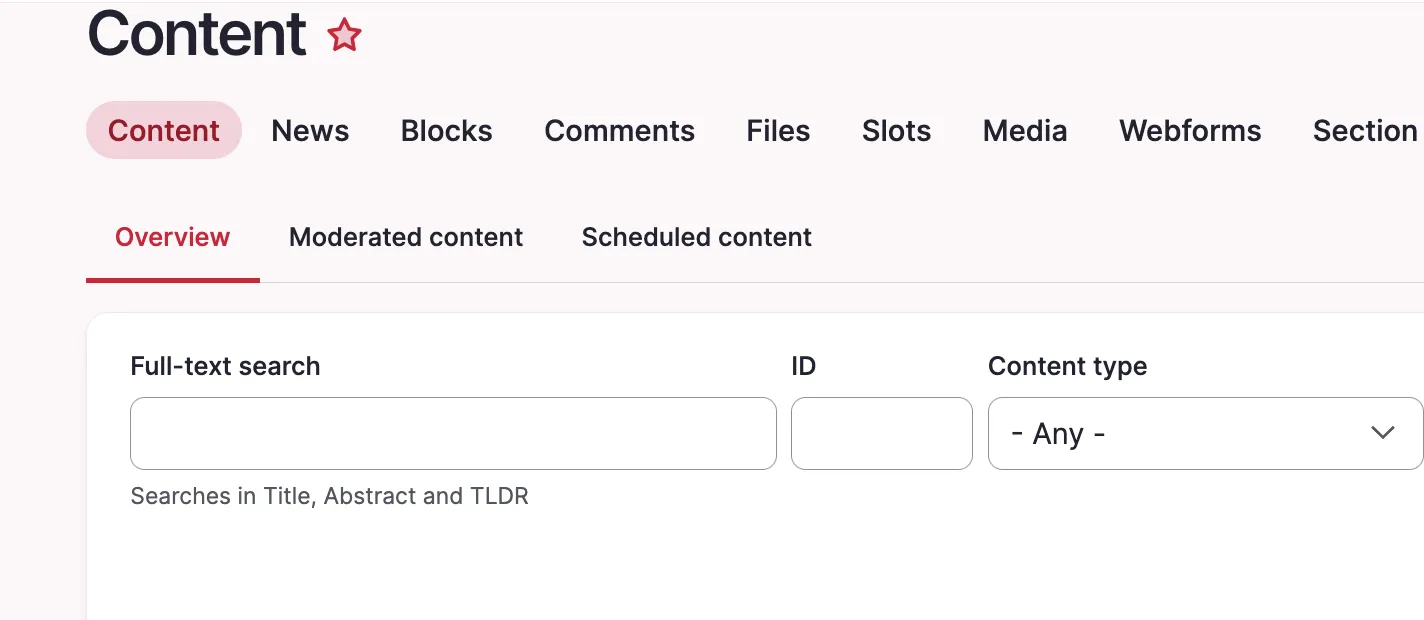
Before:

Screenshot of the content view with long nid field.

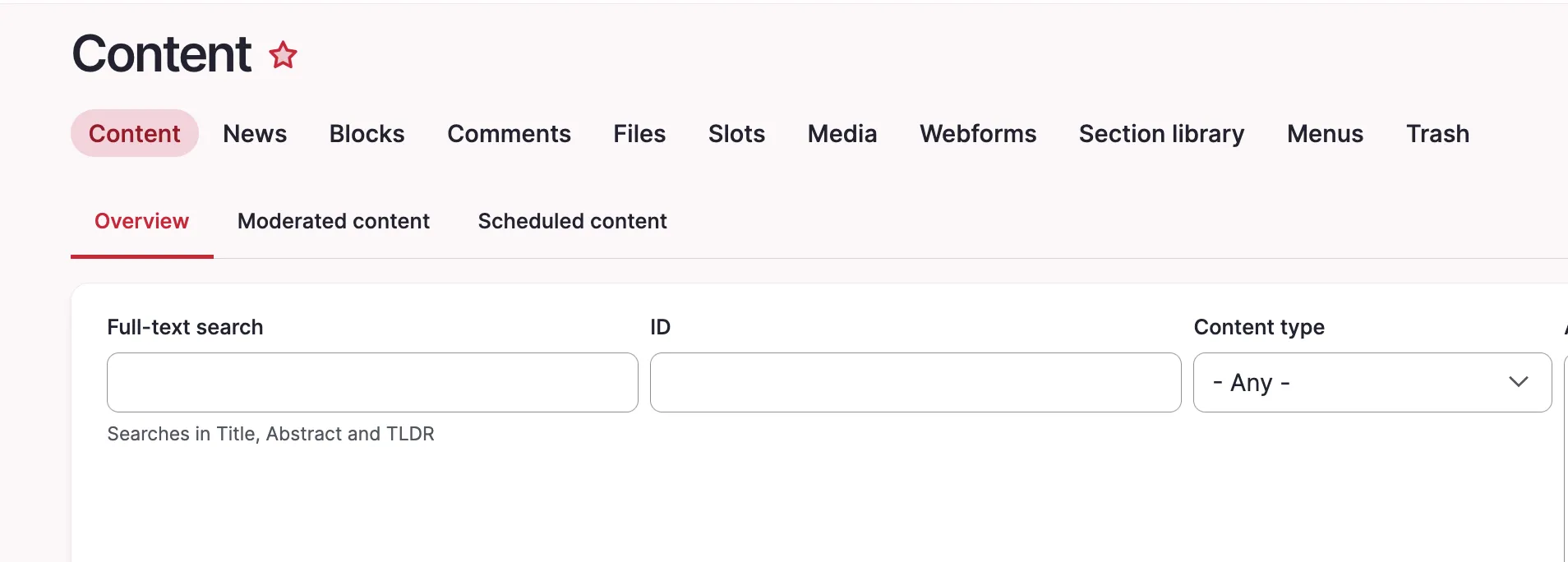
After:

Content view with short nid field

Quick note how to get the right ID for the CSS file, in our case #edit-nid:
The ID of the field is shown in the inspector

22.06.2026 | Pascal Crott

Gin: Make use of the simple table

Gin per default enhances all tables to use sticky headers and other goodies. But sometimes you just want to have a simple table without the enhancements.

<?php

/**
 * Implements hook_theme_suggestions_HOOK_alter() for table.
 */
function hook_theme_suggestions_table_alter(array &$suggestions, array $variables): void {
  if (empty($variables['attributes']['class'])) {
    return;
  }

  if (is_array($variables['attributes']['class']) && in_array('ief-entity-table', $variables['attributes']['class'])) {
    $suggestions[] = 'table__simple';
  }
}

Issue:

Gin per default enhances all tables to use sticky headers and other goodies. But sometimes you just want to have a simple table without the enhancements.

Solution:

There is a "table--simple" template provided by Gin which you can make use of by defining the theme suggestion for your table. In this example we use simple tables for inline entity form tables, since those are complex tables which don't always work together smoothly with gin tables.